Invited speakers
Invitations are still going out. This roster grows as speakers accept and confirm their talk titles — no one is listed here before they have agreed to speak.
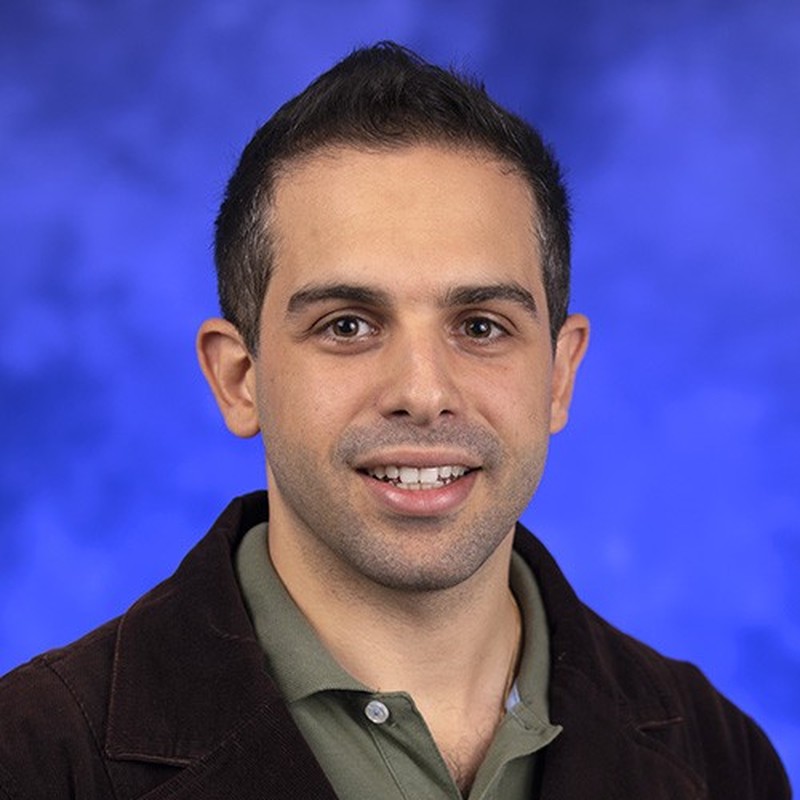
Ilias Georgakopoulos-Soares, PhD
Assistant Professor
The University of Texas at Austin
Talk title to be announced.
Session III — Mapping and Modeling Alternative DNA Structures Across Genomes
Biography
Ilias Georgakopoulos-Soares is an Assistant Professor at The University of Texas at Austin whose research integrates computational biology, bioinformatics, genomics, and machine learning. His work spans genome-scale detection of structure-forming sequences, comparative and population genomics, and the analysis of variation, instability, and evolutionary constraint across reference genomes, pangenomes, and cancer genomes.
Marco Di Antonio, PhD
Associate Professor in Chemical Biology
Department of Chemistry, Imperial College London
Talk title to be announced.
Biography
Marco Di Antonio is an Associate Professor in Chemical Biology in the Department of Chemistry at Imperial College London, a BBSRC David Phillips Fellow, and a Fellow of the Lister Institute of Preventive Medicine. His research uses organic chemistry to design small-molecule probes that interrogate DNA secondary structures, including G-quadruplexes, and their roles in ageing and cancer biology, building on earlier work demonstrating G-quadruplex DNA and RNA structures in human cells and mapping them genome-wide.
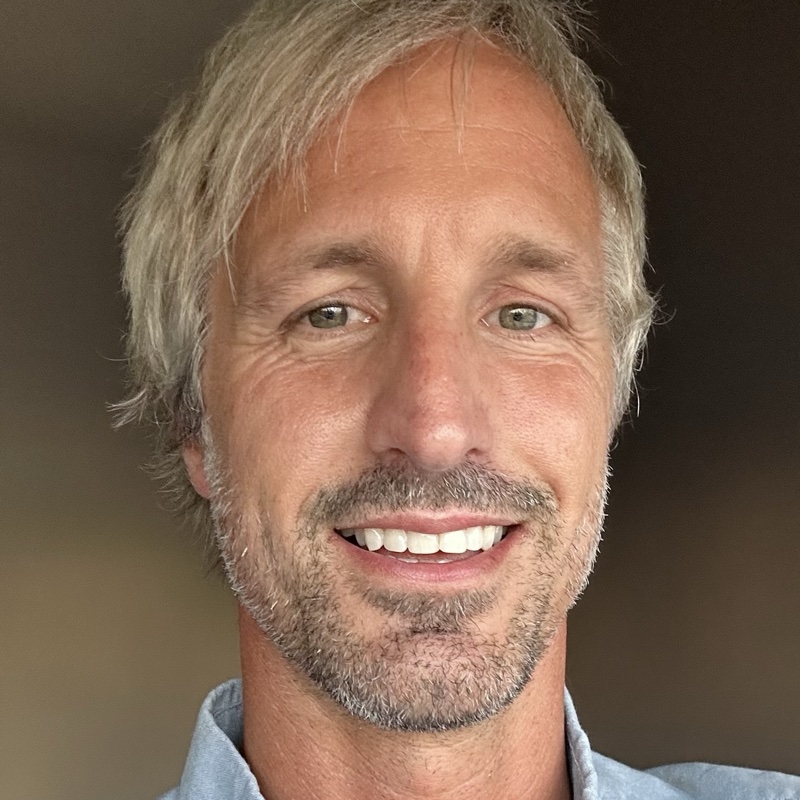
David Rusling, PhD
Associate Professor in Bioengineering
School of Medicine, Pharmacy and Biomedical Sciences, University of Portsmouth
Talk title to be announced.
Biography
David Rusling is an Associate Professor in Bioengineering in the School of Medicine, Pharmacy and Biomedical Sciences at the University of Portsmouth. His research centers on engineering nucleic acid-based platforms for biotechnology and healthcare, spanning DNA recognition, triplex-forming oligonucleotides, DNA origami, and nanostructures, with applications in precision gene targeting, synthetic biology, and therapeutic discovery.
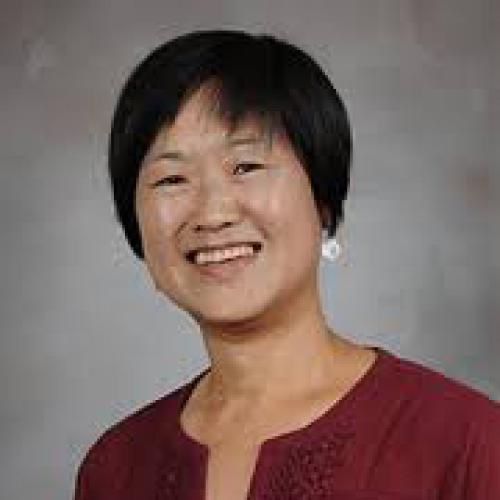
Nayun Kim, PhD
Associate Professor of Pharmacology and Toxicology
College of Pharmacy, The University of Texas at Austin
Talk title to be announced.
Biography
Nayun Kim is an Associate Professor of Pharmacology and Toxicology in the College of Pharmacy at The University of Texas at Austin. Her laboratory investigates genome instability mechanisms centered on G-quadruplex DNA, including proteins and topoisomerase activity that suppress G-quadruplex formation, zinc-finger proteins that interact with these structures, and their role in mitochondrial genome maintenance.
Amy M. Whitaker, PhD
Assistant Professor
Molecular Therapeutics Program and Cancer Epigenetics Institute, Fox Chase Cancer Center
Talk title to be announced.
Biography
Amy M. Whitaker is an Assistant Professor in the Molecular Therapeutics Program and a member of the Cancer Epigenetics Institute at Fox Chase Cancer Center. Her laboratory investigates oxidative DNA damage within G-quadruplex-forming sequences and how its repair couples to the transcriptional regulation of key tumor suppressors and oncogenes, using structural biology, nucleic acid enzymology, single-molecule fluorescence microscopy, and cell-based assays to identify molecular targets for cancer therapy.
Quentin Vicens, ScD
Assistant Professor
Department of Biology and Biochemistry, University of Houston
Talk title to be announced.
Biography
Quentin Vicens is an Assistant Professor in the Department of Biology and Biochemistry at the University of Houston. His lab works at the intersection of computational and experimental biology, examining interactions between non-canonical RNA structures — including Z-RNA — and host immune proteins, and developing open-source database tools, benchmarks, algorithms, and language models to advance predictions of RNA structure.
Additional invited speakers will be announced as invitations are confirmed.