The University of Texas at AustinAustin, Texas
Alternative
DNA Structures
and Genome Stability
Advancing Discovery at the Frontiers of Biological Innovation
- Duration
- Two days
- Scale
- 100–150 participants
- Host
- UT Austin
- Scope
- Structure × Stability × Disease
Institutional collaborators
Scientific programming and speaker selection are determined independently by the organizer.
DNA is not limited to the canonical B-form double helix — and what a sequence folds into shapes how a genome is copied, repaired, and broken.
Sequence
Sequence architecture
G-rich runs, inverted and mirror repeats, tandem repeats, and other structure-prone contexts.
Structure
Alternative conformation
G-quadruplexes, Z-DNA and Z-RNA, cruciforms and hairpins, triplex/H-DNA, slipped structures.
Consequence
Genome stability, evolution, and disease
Replication, transcription, repair, recombination, mutagenesis, rearrangement.
A focused international meeting on alternative (non-B) DNA structures and their roles in genome stability, mutagenesis, disease, evolution, and biological innovation — convening investigators across molecular mechanisms, DNA repair, cancer biology, computational genomics, structural biology, and genome engineering.
Speakers
Keynote and invited speakers
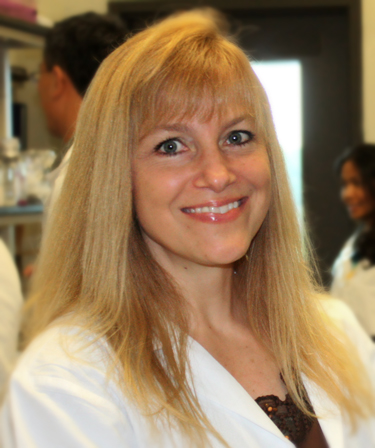
Karen M. Vasquez, PhD
College of Pharmacy and Dell Pediatric Research Institute, The University of Texas at Austin
Keynote
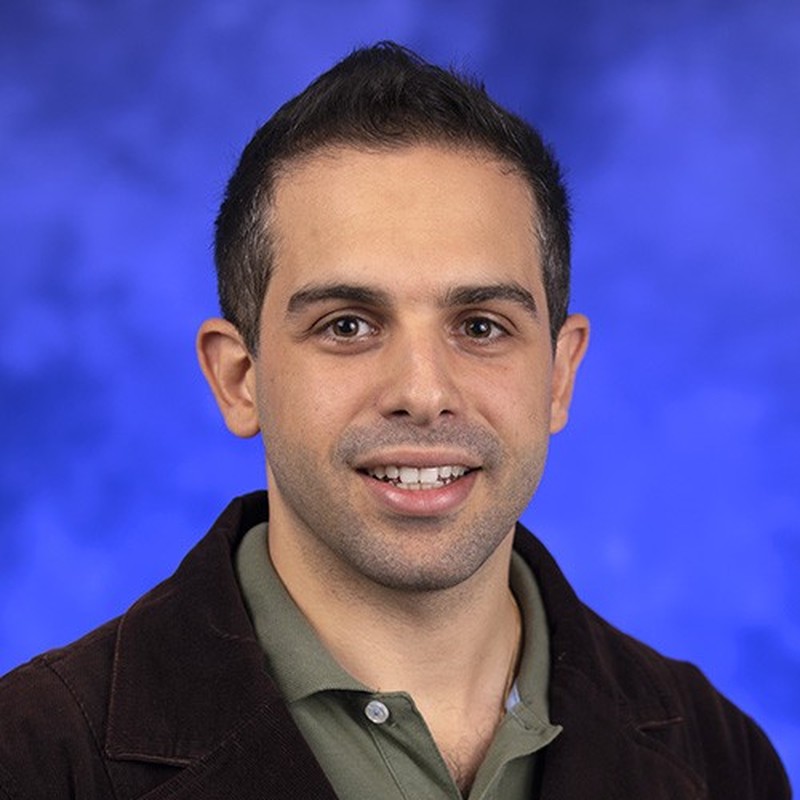
Ilias Georgakopoulos-Soares, PhD
The University of Texas at Austin
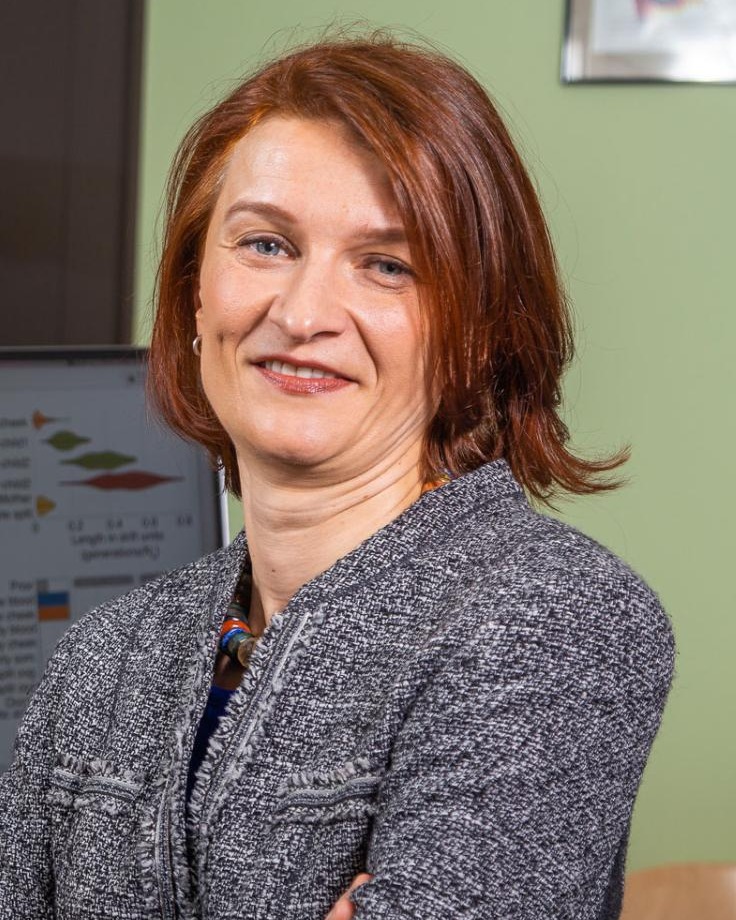
Kateryna D. Makova, PhD
Penn State University
Keynote
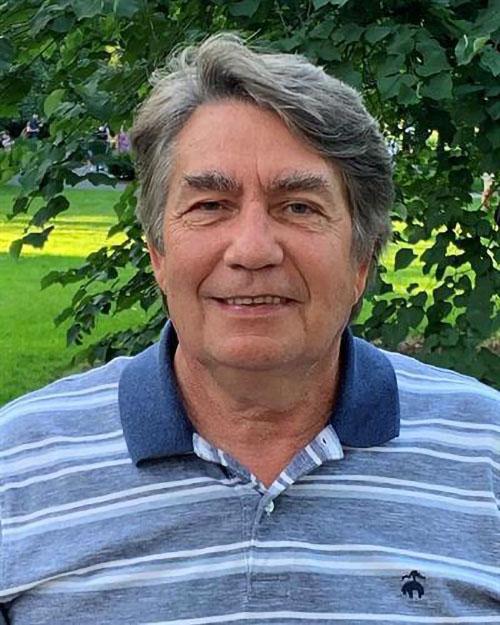
Sergei M. Mirkin, PhD
Tufts University
Keynote
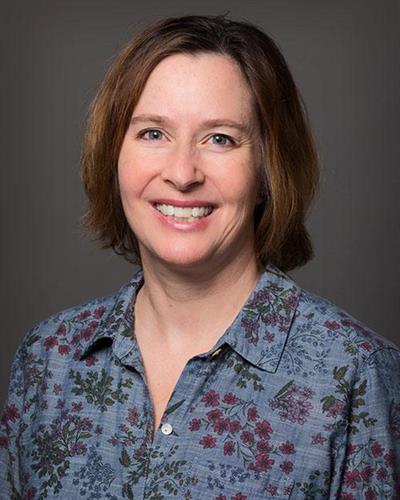
Catherine Freudenreich, PhD
Tufts University
Keynote
Marco Di Antonio, PhD
Department of Chemistry, Imperial College London
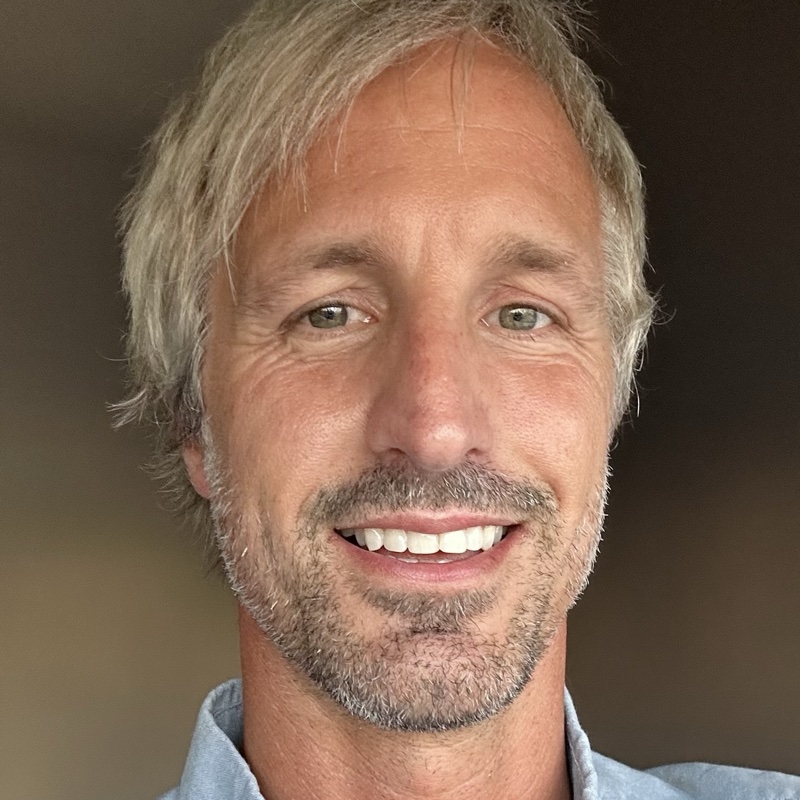
David Rusling, PhD
School of Medicine, Pharmacy and Biomedical Sciences, University of Portsmouth
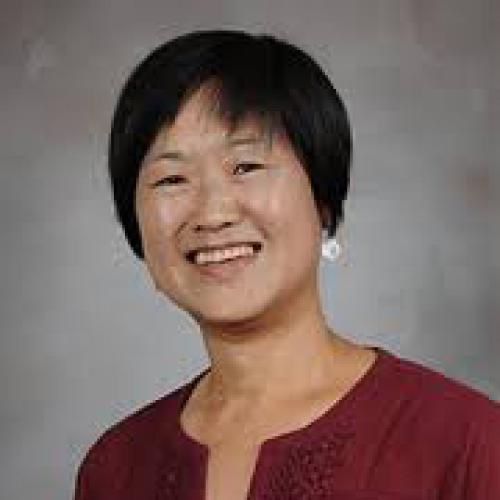
Nayun Kim, PhD
College of Pharmacy, The University of Texas at Austin
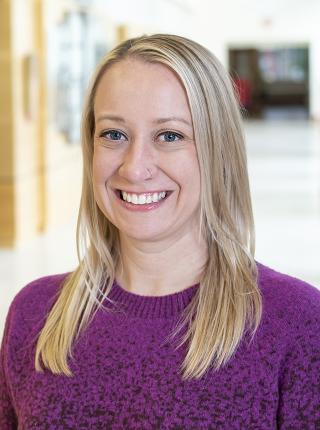
Amy M. Whitaker, PhD
Molecular Therapeutics Program and Cancer Epigenetics Institute, Fox Chase Cancer Center
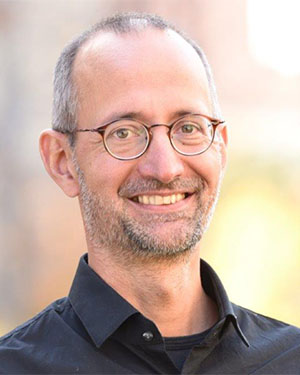
Quentin Vicens, ScD
Department of Biology and Biochemistry, University of Houston
Additional invited speakers will be announced as invitations are confirmed.
Themes
Seven themes, from the biophysics of a folded sequence to what it means for a patient.
Structure & Mechanism
Sequence determinants, energetics, dynamics, and cellular formation of G-quadruplexes, Z-DNA/Z-RNA, cruciforms, hairpins, triplex/H-DNA, and slipped structures.
Genome Instability
How alternative structures affect fork progression, repair pathway choice, recombination, chromosome breakage, repeat instability, and mutation.
Cancer & Disease
Links between structure-forming sequences and mutational hotspots, repeat-expansion disorders, rearrangements, cancer mutagenesis, and inherited disease.
Mapping & Discovery
Detection and prediction of structure-forming sequences by sequencing, chemical and enzymatic mapping, motif discovery, biophysical scoring, and integrative analysis.
Evolution & Pangenomes
How structure-forming sequences arise, persist, and turn over — across population variation, pangenomes, repetitive DNA, and diverse species.
AI & New Technologies
Foundation models, machine learning, long-read and single-cell sequencing, high-throughput perturbation, databases, and reproducible benchmarking.
Therapeutics & Biotech
Structure-targeting molecules, biomarkers, genome engineering, synthetic biology, and diagnostics — including limitations, specificity, and safety.
Preliminary programme
Two days
Wednesday, March 24
Mechanisms & genome-scale maps
- Keynote lecture
- Session I — Formation, dynamics, and mechanisms
- Session II — Replication, repair, recombination, mutagenesis
- Session III — Mapping and modeling across genomes
- Selected short talks
- Poster lightning talks
- Poster session and networking reception
Draft schedule, 08:00–19:00.
Thursday, March 25
Disease, evolution & translation
- Session IV — Cancer and human disease
- Session V — Evolution, population variation, and pangenomes
- Session VI — New technologies, computational genomics, and AI
- Session VII — From mechanism to translation
- Trainee networking lunch
- Closing panel and future directions
Draft schedule, 08:30–17:15.
Program and speaker list are in development and subject to change.
Full programmeWho should attend
An interdisciplinary room by design — the safeguards question cannot be answered from any one of these fields alone.
- Genome biology
- Non-B DNA
- Cancer & disease
- Computational
- Structural & biophysics
- Trainees & industry
Location
Austin, Texas
A research university with concentrated strength across genome biology, pharmacology, and computational science, in a city with a substantial biotechnology community and direct connections to the Texas Medical Center.
- Institution
- The University of Texas at Austin
- City
- Austin, Texas
- Dates
- March 24–25, 2027
- Venue
- Joe C. Thompson Conference Center
Sponsors and partners
Sponsors and partners
- Institutional collaborator
- UT Austin College of Pharmacy, Dell Pediatric Research Institute, Baylor College of Medicine
- Institutional partners
- Announced soon
Stay in the loop
Join conference updates
Registration, speakers, poster submissions, and travel-support announcements.
The mailing list opens soon.
It will carry announcements on registration, speakers, the programme, poster submissions, and travel support.
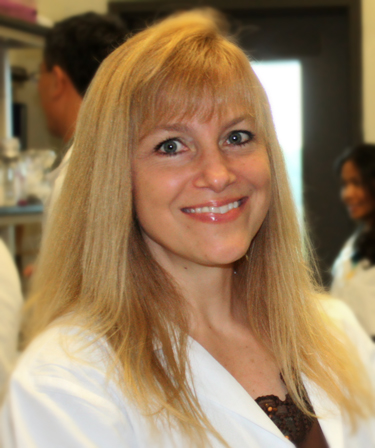
Conference organizer
Karen M. Vasquez, PhD
College of Pharmacy and Dell Pediatric Research Institute, The University of Texas at Austin
Professor and Head of the Division of Pharmacology and Toxicology in the College of Pharmacy at The University of Texas at Austin, where she holds the Jaime N. Delgado Endowed Chair.